
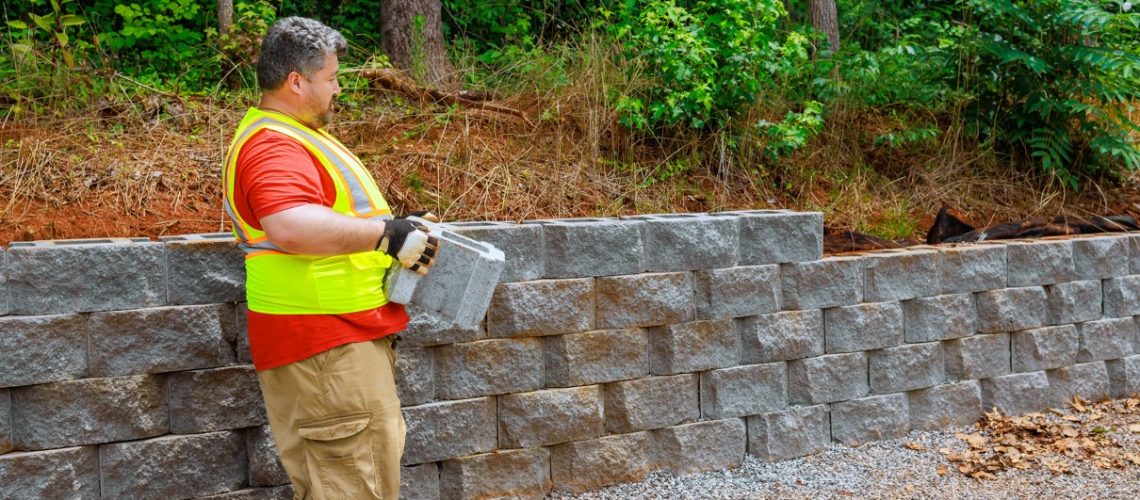
Retaining walls play an essential role in creating safe, stable, and functional outdoor environments. Whether used in residential gardens or commercial landscapes, retaining walls help manage changes in ground level, control soil movement, and improve the usability of sloped areas. When designed and built correctly, they provide long-term structural support while enhancing the overall layout of outdoor spaces.
What Is a Retaining Wall and Why Is It Needed?
A retaining wall is a structural element designed to hold back soil and prevent erosion. It is commonly used on sloped sites to create level areas for landscaping, pathways, or structures. Retaining walls also assist with drainage by directing water away from vulnerable areas, reducing the risk of ground movement and surface damage.
Safety and Structural Stability
Properly constructed retaining walls improve site safety by preventing soil collapse and uneven ground surfaces. Poorly built walls can fail over time, leading to erosion, cracking, or complete collapse. Quality construction, correct materials, and proper drainage are critical to ensuring long-term stability and safety.
Types of Retaining Walls
Retaining walls can be built using concrete, timber, or block systems, depending on site conditions and design requirements. Concrete walls offer strength and durability, timber provides a natural appearance, and block systems offer flexibility and clean finishes. Choosing the right type ensures reliable performance and visual harmony with the surrounding landscape.
Long-Term Performance and Value
Well-built retaining walls reduce maintenance needs, protect surrounding structures, and extend the usable area of a property. They also enhance landscape structure and contribute to long-term property value.
Conclusion
Retaining walls are more than a visual feature—they are essential for safety, stability, and landscape functionality. Investing in professionally built retaining walls ensures durable results that support outdoor spaces for years to come.
